
Winter rest in market gardening: an essential strategy for the long haul
Rather than enduring winter, make it an ally: a time for recovery, review and anticipation, essential for the sustainability of a micro-farm.


When winter sets in with rain, wind and cold, it becomes harder to find the drive to go work in the field. The days grow shorter, energy drops and the natural rhythm of nature itself slows down. Rather than fighting against this season, it can be wise to make it an ally.
Winter represents a precious opportunity: that of resting, reflecting and anticipating. Because behind the summer images of abundant harvests and colorful vegetables hides a demanding profession, which requires strong physical, mental and organizational involvement. Without structured downtime, wear and tear inevitably sets in.
Choosing a real winter break
On a micro-farm made up of one or two people, wanting to produce and sell all year round can quickly lead to exhaustion. Choosing to stop sales for several weeks, or even several months, is a strategic decision rather than a renunciation.
Even if some crops are still in place, it is possible to accept ending the season at a date set in advance. Remaining vegetables can be donated to associations, redistributed locally or returned to the compost to feed the soil. This approach is not a loss, but an investment in the human and ecological sustainability of the farm.
Customers generally understand this seasonal break and welcome the return of vegetables in spring with enthusiasm. For collective structures, such as a partnership, the organization may be different thanks to the possibility of taking turns. On the other hand, accepting to slow down strongly in winter is often the necessary condition to maintain a sustainable balance.
Use winter to take stock and plan
Winter rest does not necessarily mean total inaction. It includes a particularly important phase of strategic reflection.
Late autumn and early winter constitute a privileged moment to analyze the year that has passed. What worked well? Which crops were profitable? Where are the points of tension? What adjustments would be desirable to improve working conditions or profitability? Setting goals for the following year takes little time but brings precious clarity. These goals can be financial, organizational or personal — such as reducing weekly working hours or planning a week of vacation.
Winter is also the ideal period to plan the crops for the coming season. Anticipating rotations, defining volumes, organizing seedlings and placing seed and input orders allows you to approach spring with serenity. Specialized digital tools, such as Qrop-Brinjel, today offer a global view and facilitate this organization. Rigorous planning avoids delays, stockouts and costly improvisations when the season starts.
Integrating rest into annual organization
Winter rest should not be considered as a simple slowdown imposed by the weather, but as a pillar of success in market gardening. It allows for physical recovery, taking a step back, redefining goals and preparing the next season methodically.
After many years of experience, it clearly appears that the sustainability of a farm depends as much on its human organization as on its technical performance.
By accepting the rhythm of the seasons and fully integrating rest into the farm's overall strategy, it becomes possible to build a lasting, balanced and deeply satisfying activity.
-

How to grow early potatoes successfully: the market gardener's guide
Essay article
-
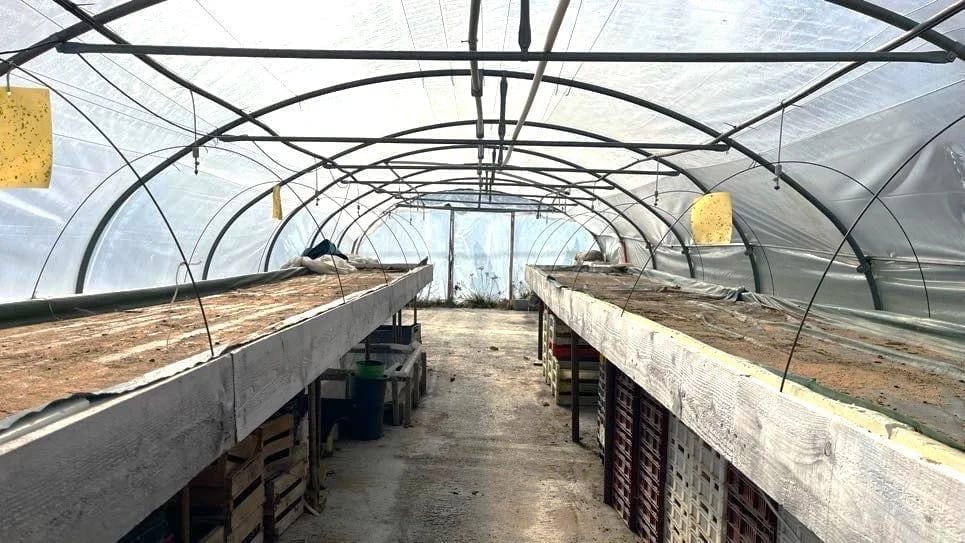
Seedling greenhouse: 5 essential tips to face the cold and succeed with your seedlings
In the heart of winter, a seedling greenhouse may seem at a standstill. Yet it is at this time that spring success is largely prepared…
-
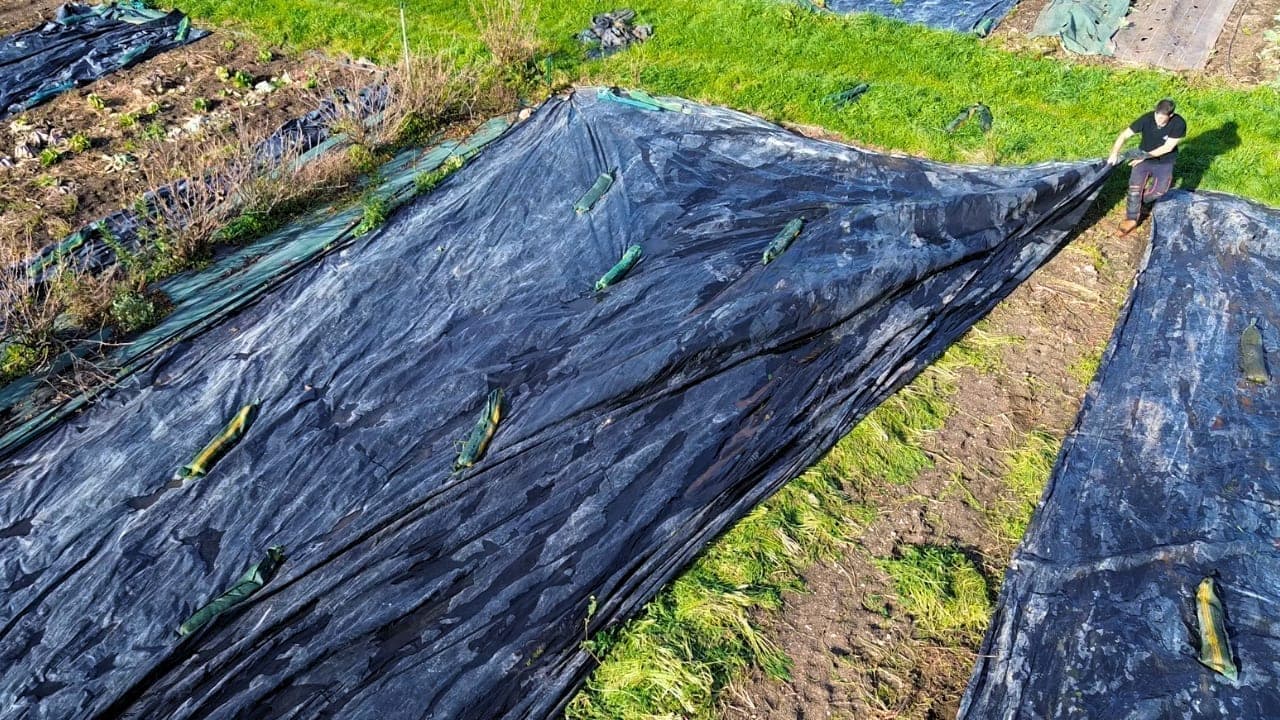
Closing the garden: how to prepare your beds for winter?
The arrival of winter does not mean the market gardener can simply 'let the soil rest' bare. Quite the opposite. October to December are key months.